Top Mistakes to Avoid in Pallet Liquidation: A Beginner's Guide
In the field of pallet liquidation, newcomers often come across several pitfalls that can impede their success. Many first-time participants neglect essential elements such as pallet quality assessment and market research. Additionally, they may fail to account for unexpected expenses and the value of building connections. Each of these missteps can considerably influence profitability. Being aware of these typical missteps is critical for anyone looking to navigate this challenging landscape effectively. What methods can help secure a more profitable beginning in pallet liquidation?
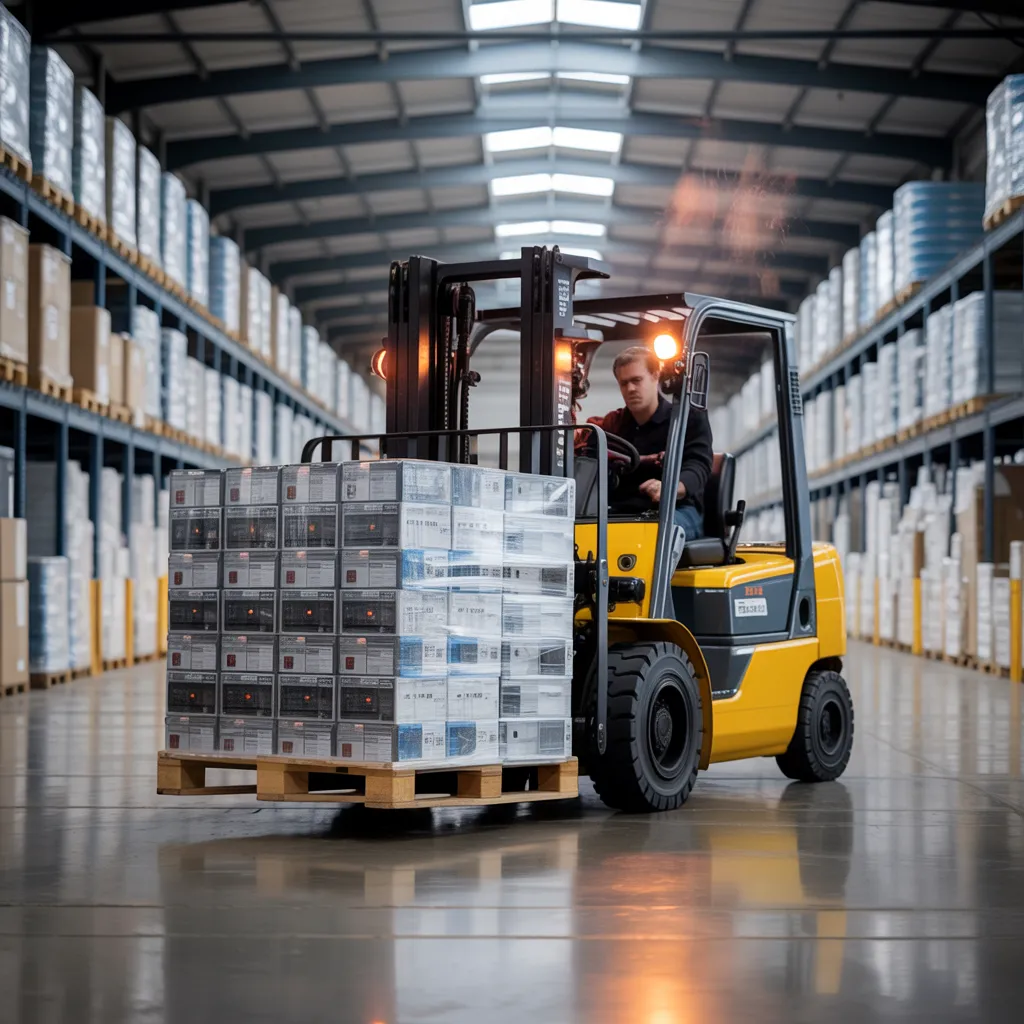
Avoid Misreading Pallet Quality in Liquidation
In the domain of pallet liquidation, quality evaluation is paramount. Inexperienced buyers commonly misjudge pallet conditions, which can lead to significant losses. Knowing how to differentiate salvageable from non-salvageable merchandise is essential. A number of buyers frequently disregard surface-level damages, under the impression that small signs of wear do not diminish overall value. However, hidden defects can result in additional costs during resale or disposal.
Furthermore, depending only on visual inspections could lead to errors. It is advisable to review product descriptions thoroughly and, whenever the chance presents itself, inspect pallets firsthand. This strategy proves useful in recognizing potential issues that may not be immediately apparent. Moreover, understanding market demand for specific items assists in projecting anticipated gains. By prioritizing a thorough evaluation of pallet quality, dealers can circumvent unnecessary losses and boost earnings from their operations. Understanding the significance of careful quality inspection represents an essential foundation for thriving in the pallet liquidation business.
Familiarize Yourself with Local Regulations
When navigating the challenges of pallet liquidation, understanding local regulations is vital for success. Following local laws can considerably affect the profitability and feasibility of a liquidation business. Different regions may have distinct regulations governing the resale of goods, including safety guidelines and labeling mandates. Neglecting to comply with these regulations can lead to fines or even legal consequences, putting the entire operation at risk.
Moreover, zoning laws may affect where liquidation businesses are allowed to operate. An in-depth understanding of local ordinances can prevent expensive errors, such as placing a warehouse in a non-permitted area. Furthermore, some states impose taxes on certain types of merchandise or demand authorization for sales events. Consequently, conducting thorough research into local regulations is an essential action for anyone entering the pallet liquidation market. Following these regulations ensures more seamless operations and fosters long-term success in the business.
Carry Out Market Research for Pallet Liquidation
Performing comprehensive market research is vital for successful pallet liquidation. This involves studying local demand patterns, reviewing competitor offerings, and assessing pricing strategies to guarantee a competitive edge. Through understanding these key factors, organizations can make strategic decisions that enhance their liquidation efforts.
Examine Local Demand Trends
In what ways can understanding local demand trends significantly influence pallet liquidation success? Analyzing these trends allows liquidators to align their inventory with community needs, ensuring higher sales potential. Local demand may shift substantially depending on elements such as seasonality, economic circumstances, and demographic transitions. Through comprehensive market research, liquidators can determine which products are highly sought after and modify their purchasing strategies as needed. Such understanding not only decreases unsold inventory but also boosts overall profitability. Moreover, remaining in tune with local preferences can aid in creating tailored marketing strategies, cultivating deeper connections with potential buyers. In the end, a sharp awareness of local demand trends provides pallet liquidators with the essential tools to make well-informed decisions and enhance their operations.
Explore Competitor Offerings
A comprehensive understanding of what competitors offer can significantly improve a pallet liquidator's competitive standing. By carrying out detailed market studies, liquidators can identify the varieties of pallets and goods competitors are offering, as well as their supply acquisition approaches. This understanding helps in identifying underserved market segments that could be exploited for improved returns. Additionally, assessing competitors' strengths and weaknesses allows liquidators to differentiate their own offerings, ensuring they meet consumer demands more effectively. Reviewing customer feedback on competitor products can offer useful insights on performance and service benchmarks. Ultimately, researching what competitors provide equips pallet liquidators with the information required to adapt their strategies and better position themselves in a dynamic market environment.
Evaluate Pricing Strategies
Assessing pricing approaches is crucial for pallet liquidators looking to maximize profitability. To develop efficient pricing, liquidators must carry out detailed market research, examining the demand for specific products and rival listings. Understanding regional price variations and seasonal trends can provide insights into effective pricing frameworks. Furthermore, comparing wholesale costs with potential resale values helps in identifying lucrative pricing gaps. Sellers should also consider buyer profiles; customizing pricing structures to distinct purchasing audiences can improve revenue. Furthermore, embracing dynamic pricing approaches, such as savings for volume buying or special pricing events, can attract more customers. At the core, a carefully developed pricing strategy not only boosts profitability but also positions the liquidator favorably among industry rivals.
Detecting Hidden Charges in Pallet Liquidation
Within pallet liquidation, hidden costs can greatly affect profitability. Unanticipated freight costs, bidding platform expenses, and revenue losses due to unsold stock often go unnoticed. Recognizing these costs is critical for an effective liquidation approach.
Hidden Shipping Expenses
While exploring pallet liquidation opportunities, one critical area often overlooked is the risk of unanticipated freight charges. Most first-time buyers fixate on the cost of the inventory itself but fail to account for the additional expenses associated with moving the pallets. Shipping fees can vary greatly based on the supplier's whereabouts, the scale of the delivery, and the chosen copyright. Moreover, certain vendors may impose additional fees for logistics services or require buyers to arrange their own shipping, adding complexity to the procedure. To avoid unpleasant surprises, it is necessary to establish shipping details prior to completing a discover details on transaction. Recognizing these charges can eliminate substantial cost exceedances, guaranteeing a more precise monetary evaluation of the overall liquidation endeavor.
Auction Site Fees
Maneuvering through the landscape of pallet liquidation commonly exposes a maze of auction platform costs that can substantially impact financial returns. Most first-time buyers fail to notice these undisclosed charges, which can include submission fees, final value fees, and payment processing charges. Each platform has its own fee structure, and understanding these can eliminate surprise financial burdens. Furthermore, some auctions may apply additional buyer fees that increase the final purchase price. It is vital for newcomers to carefully examine the service agreements and pricing structures before committing to any platform. By staying aware of these charges, buyers can better assess their overall expenditure and possible profits, ultimately leading to more informed purchasing decisions.
Inventory Loss From Unsold Goods
Detecting unsold inventory losses is vital for professionals working in pallet liquidation. Unsold items can generate costs that considerably reduce profitability. Initially, there are storage costs, which escalate the longer as products go unsold. In addition, unsold stock can lead to price reductions or clearance events, further diminishing projected revenue. Furthermore, the danger of becoming obsolete or sustaining damage rises over time, generating additional financial burdens.
Furthermore, organizations tend to ignore the hidden cost of money locked in unsold stock, which could have been directed toward other opportunities. A comprehensive evaluation of stagnant merchandise enables operators to make informed decisions, cut down on losses, and improve future buying strategies. Recognizing these concealed expenses is crucial to preserving a successful pallet liquidation operation.
Build Your Network
Building a reliable network is essential for anyone exploring pallet liquidation. Creating connections with professionals in the industry, supply partners, and other professionals in liquidation can greatly enhance opportunities and insights. Engaging with businesses in your area, visiting trade shows, and engaging with online forums can foster relationships that yield useful data about pallet sourcing strategies and current market trends.
Moreover, establishing networks can create valuable partnerships, facilitating cooperative buying or collective wisdom on proven selling strategies. By building relationships with seasoned liquidators, newcomers can receive mentorship, getting advice on circumventing frequent mistakes.
Additionally, social media networks and specialized online groups function as exceptional avenues for broadening one's networking reach. Frequent participation in these communities can help identify new trading partners and business connections. In the end, a robust network goes beyond being a mere support system; it is an indispensable tool that can drive a beginner's growth in the liquidation pallet industry.
Master Sales Strategies for Pallet Liquidation
Perfecting selling techniques for liquidating pallets can considerably improve profitability. Comprehending market needs is crucial; vendors should perform detailed research to pinpoint which goods are popular and resonating with customers. Pricing approaches also factor heavily into success; market-aligned pricing can bring in interested shoppers while securing an adequate profit level.
Using online platforms for selling can expand the audience reach, enabling sellers to reach a larger audience. Successful sales approaches, such as creating engaging listings with high-quality images and detailed descriptions, can enhance exposure and attractiveness.
Building relationships with repeat customers builds trust and dedication, which can generate reliable revenue. Ultimately, providing special offers or discounts can stimulate interest and encourage quicker sales, minimizing surplus stock. Through applying these approaches, beginners can navigate the complexities of pallet liquidation and optimize their profits.
Answers to Your Most Common Questions
What Is Pallet Liquidation, and How Does It Work?
Pallet liquidation encompasses buying surplus or returned goods, typically in wholesale quantities, from retailers or wholesalers at a lower cost. Purchasers obtain pallets containing a variety of products, spanning from electronics to apparel, which they can then distribute individually or in reduced quantities. The procedure generally encompasses placing bids at liquidation auctions or sourcing directly from liquidation vendors. Achieving success in this industry demands a solid grasp of market demand and efficient inventory management to optimize earnings.
How Can I Find Reputable Liquidation Suppliers?
To find trustworthy liquidation suppliers, the best approach is to start by researching online directories and forums where knowledgeable buyers offer their perspectives. Attending trade shows and networking events can additionally offer meaningful connections. Checking supplier credentials and reviewing feedback aids in building confidence. Moreover, requesting suggestions from professional peers could direct you to trustworthy options. It remains important to assess pricing structures and terms to secure a reasonable arrangement, which ultimately promotes a favorable procurement experience.
What Kinds of Products Can You Usually Find in Liquidation Pallets?
Liquidation pallets typically contain a wide variety of items, including electronics, clothing, home goods, furniture, and toys. Such merchandise commonly stems from returns, overstock, or discontinued product lines, causing conditions that vary from pristine to damaged. Well-known company brands may be represented by retailers, presenting profitable opportunities for resellers. However, the specific contents can vary greatly, necessitating that buyers diligently investigate and review pallets before buying in order to get the most from their investment.
What Is the Best Way to Determine the Resale Value of Liquidation Items?
To evaluate the resale price of closeout merchandise, you should search for related products digitally to gauge market prices. Comparing items on platforms like eBay or Amazon can give a clear picture of ongoing demand and market pricing. Additionally, evaluating the physical condition of the item, brand credibility, and additional components included can shape the resale price. Lastly, considering freight charges and local market rivalry enables you to create a competitive yet profitable resale price.
What Are the Most Common Mistakes Beginners Make in Pallet Liquidation?
Common pitfalls for beginners in pallet liquidation include underestimating costs, such as shipping and handling, which can significantly impact profit margins. A large number of beginners also neglect to investigate the market worth of products, resulting in misguided buying choices. Moreover, disregarding effective inventory management strategies can cause products to remain unsold. Inexperienced buyers might also skip thorough pallet inspections, putting their investment at risk by acquiring damaged or unsalable items. Ultimately, insufficient knowledge of local regulations can lead to compliance issues.